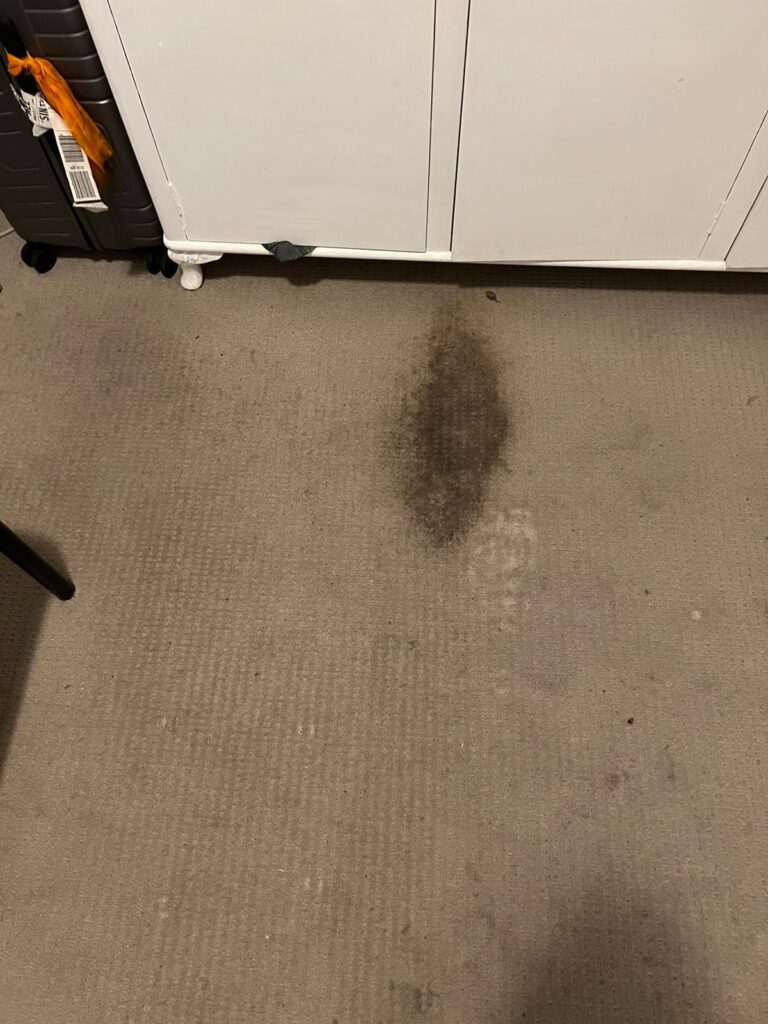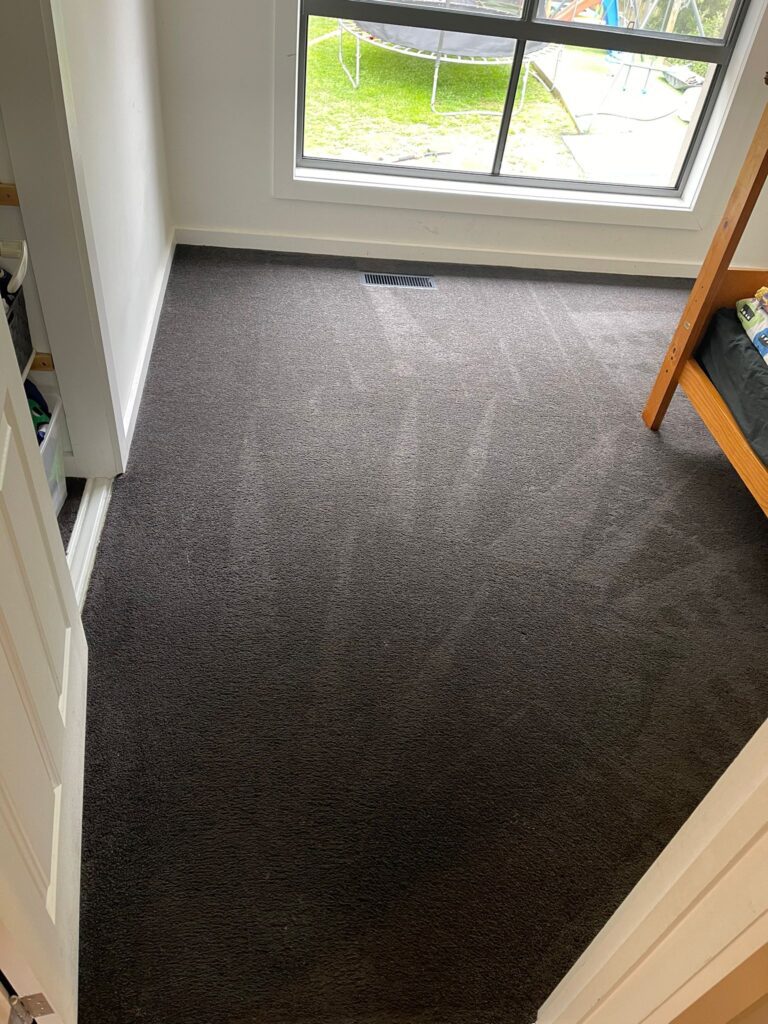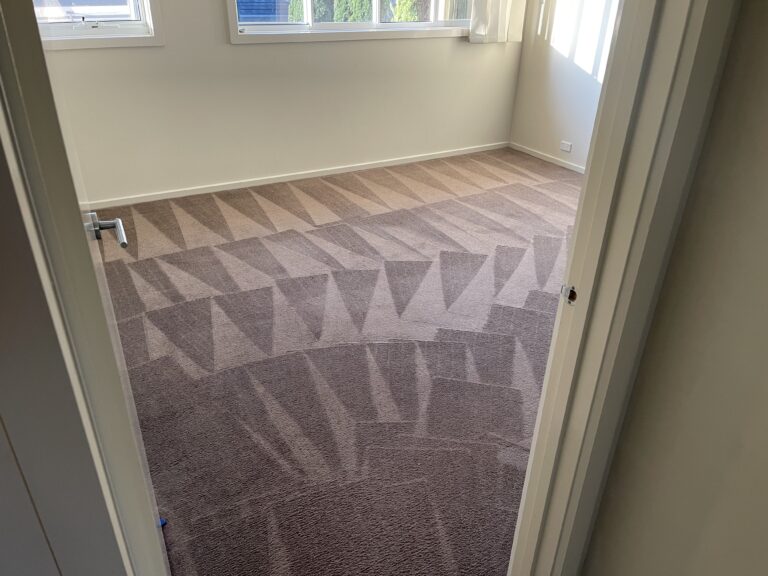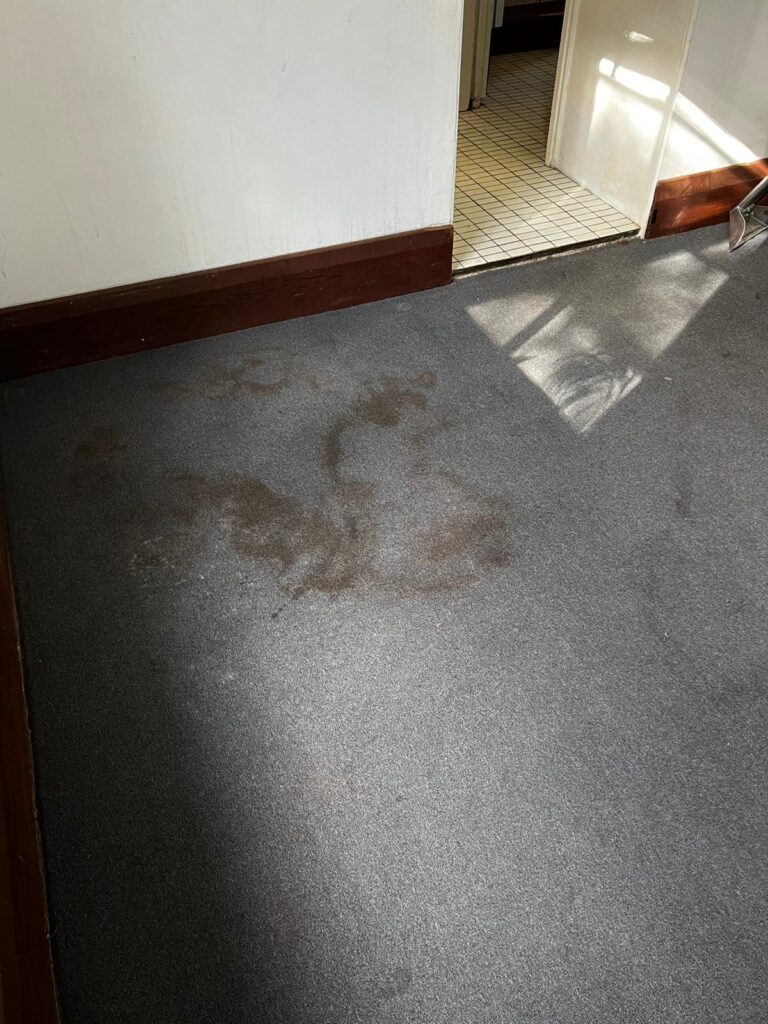
Quick answer: Lift solids off with a flat scraper or card, blot (never rub) with cold water and paper towel, and avoid hot water, steam and ammonia-based sprays, which can set protein stains and leave odour behind. If a mark, a yellow or orange tint, or a smell remains once it dries, book professional carpet stain removal before the residue has weeks to bond with the fibre.
A sick dog usually picks the lightest carpet in the house, often overnight. The good news is that most fresh vomit and diarrhoea accidents come out well if the first clean-up is done gently. The bad news is that the most common home fixes, hot water, a hire steamer or a strong spray, are exactly what turn a removable mess into a permanent mark. If the accident is already old or you have tried a few products, our professional carpet steam cleaning in Melbourne includes spot and stain treatment before the hot-water rinse.
What should you do in the first ten minutes?
Speed matters more than products. The longer stomach acid, bile and food dyes sit on the fibre, the more chance they have to stain or strip colour.
- Remove solids first. Slide a flat edge such as a spatula, plastic scraper or piece of stiff cardboard under the mess and lift it up and away. Do not push down, which forces it into the backing.
- Blot from the outside in. Press white paper towel or a white cloth onto the area to draw moisture up. Working inward stops the stain spreading into a bigger ring.
- Rinse lightly with cold water. Dampen, blot, repeat. A small amount of water several times is better than soaking the spot.
- Weigh down a dry towel. Leave a folded towel with something heavy on top for an hour to pull up the last moisture from deeper in the pile.
For diarrhoea, the same rules apply, but be even more careful not to smear. If it is very loose, lift what you can and blot repeatedly rather than scrubbing. Wear gloves and wash your hands well afterwards.
Why does hot water or steam make it worse?
Vomit and faeces contain proteins. Heat can cook proteins onto fibres, much like egg on a pan, which makes them far harder to remove later. That is why a steam mop, a kettle of hot water or a hire machine run straight over a fresh accident can leave a mark that would otherwise have lifted.
Professionals do use hot-water extraction, but not as the first step on a protein stain. The spot is pre-treated with a suitable product and given time to work, then rinsed. The order is what matters.
Which cleaning products should you avoid?
Most supermarket carpet sprays are fine on fresh food spills, but pet accidents are different. Avoid:
- Ammonia-based cleaners. Ammonia smells similar to urine to many dogs and can encourage them to return to the same spot.
- Bleach and strong oxygen bleaches. These can remove carpet colour, especially on wool and many nylon carpets, leaving a pale patch that cannot be cleaned back.
- Heavy fragrance sprays and powders. They mask odour for a day or two while leaving residue that attracts dirt and makes the spot look grey later.
- Too much detergent. Soap left in the pile is sticky. It causes the familiar problem of a stain that seems to come back after it dries, which we explain in our guide to why carpet stains keep coming back.
If you want to use something stronger than water, a product labelled as an enzyme pet-stain cleaner is the safer choice. Test it first on a hidden piece of carpet, such as inside a wardrobe, and follow the dwell time on the label.
Check your carpet type before you treat it. Wool and wool blends are more sensitive to alkaline and bleaching products than nylon or polyester. If you are unsure, use cold water only and leave the rest to a professional. Our article on wool carpet cleaning covers what wool will and will not tolerate.
What stains can be left behind once it dries?
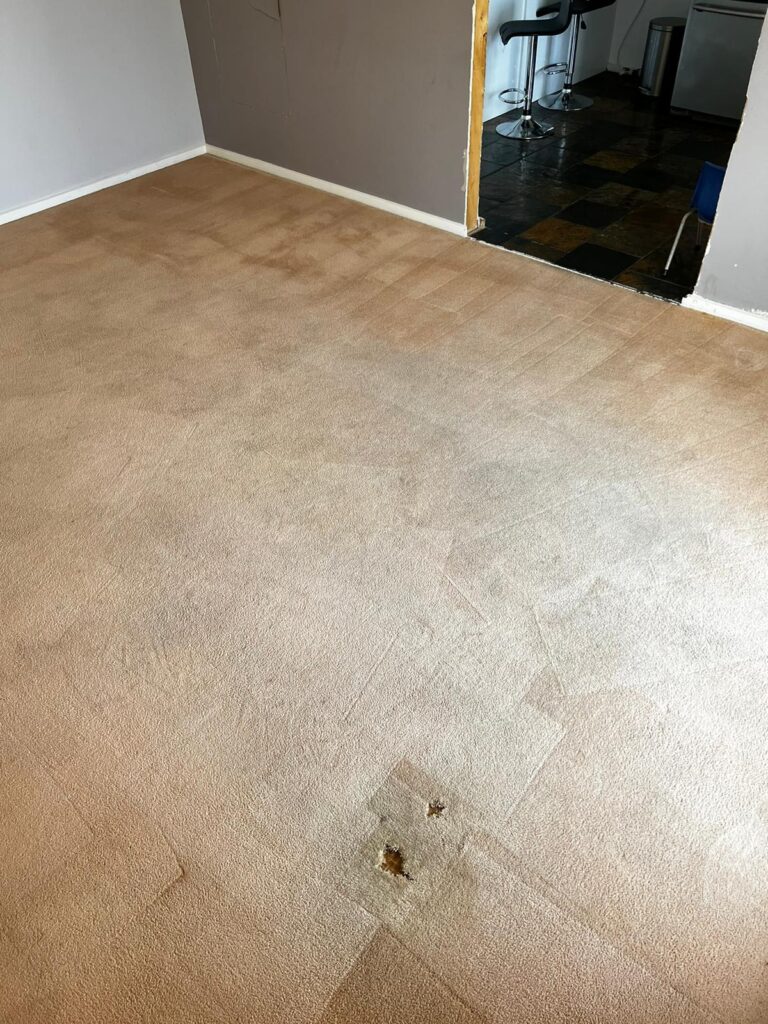
Even after a careful clean-up you may notice one of three things when the carpet dries:
| What you see | Likely cause | Can it be removed? |
|---|---|---|
| Brown or grey ring | Residue wicking up from the backing as the area dries | Usually, with proper extraction and drying |
| Yellow, orange or red tint | Bile, stomach acid or colourings from food and treats | Often reduced, sometimes not fully removable |
| Pale or bleached patch | Acid or a cleaning product has stripped the carpet dye | No, it is colour loss, not a stain; repair is the option |
| Lingering smell | Organic matter left in the pile, backing or underlay | Usually, with enzyme treatment; soaked underlay may need replacing |
Being honest about the middle two rows is important. Artificial colourings in some dog foods behave like a dye, and stomach acid can permanently alter colour on some fibres. A professional can often lighten these marks a long way, but no reputable cleaner should promise they will vanish.
When is it worth calling a professional?
A single small, fresh accident that you have blotted with cold water may need nothing more. It is worth booking a professional when:
- The mark is still visible once fully dry, or it reappeared after a day or two.
- There is a smell, especially after the carpet has been damp or the heater has been on.
- The dog has been unwell for a few days and there are several spots across a room or hallway.
- You have already tried a product and the area now looks lighter, fuzzy or sticky.
- You are renting and want the carpet looking right before an inspection.
Smell is the key warning sign. If liquid soaked through to the underlay, the odour lives below the surface, where blotting cannot reach. The same is true of urine, and our guide to getting pet urine smell out of carpet explains how that deeper contamination is found and treated.
How does a professional treat pet vomit and diarrhoea stains?
At FreshBreeze the process follows the same three steps as every job: inspect and test, treat and clean, then dry and walk through it with you. For pet accidents that means:
- Inspection. We check the fibre type and look for colour change, and test how the dye reacts before choosing a product.
- Pre-treatment. The spot gets a suitable stain treatment, and where there is odour, an enzyme treatment that breaks down the source rather than covering it.
- Hot-water extraction rinse. Once the pre-treatment has worked, the area is rinsed and the residue pulled out, along with the rest of the room if you have booked a full clean.
- Deodorising and speed-drying. Air movers help the carpet dry faster, which matters in Melbourne winters when rooms are cold and damp.
If the underlay is badly soaked, we will tell you before starting. Sometimes the honest answer is that a section needs replacing, and our carpet repair service can patch a small area where a stain or colour loss cannot be cleaned out. If the dog was also sick on the couch, we can treat that on the same visit with couch and upholstery cleaning.
Getting pet stains cleaned in Melbourne
If you have a vomit or diarrhoea stain that will not shift, or a room that has had a rough week, a single visit usually sorts out both the marks and the smell. We cover homes across Melbourne, from apartments in Caulfield to family homes in the bayside suburbs. Book carpet steam cleaning with pet stain treatment and you will get a fixed price confirmed before any work starts. You can also send details through our contact page. For the fastest quote, text a photo to 0485 522 533 or call (03) 7067 9244.