Quick answer: Pet urine smell lingers because urine soaks through the carpet pile into the backing and underlay, where surface cleaning can’t reach. The smell often returns on humid days or after cleaning because moisture reactivates it. Professionals treat the source with an enzyme treatment that breaks down the urine, then extract and dry the area. If the underlay is badly soaked, replacing that section may be the only permanent fix.
A dog that had an accident while you were at work, a cat that has chosen one corner of the spare room, an elderly pet that can’t hold on anymore: urine odour is one of the most common reasons Melbourne pet owners call us. It’s also one of the most misunderstood, because the carpet can look perfectly clean while the smell keeps coming back. Specialised carpet cleaning for pet odour in Melbourne works on the source, not just the surface.
Why does pet urine smell linger in carpet?
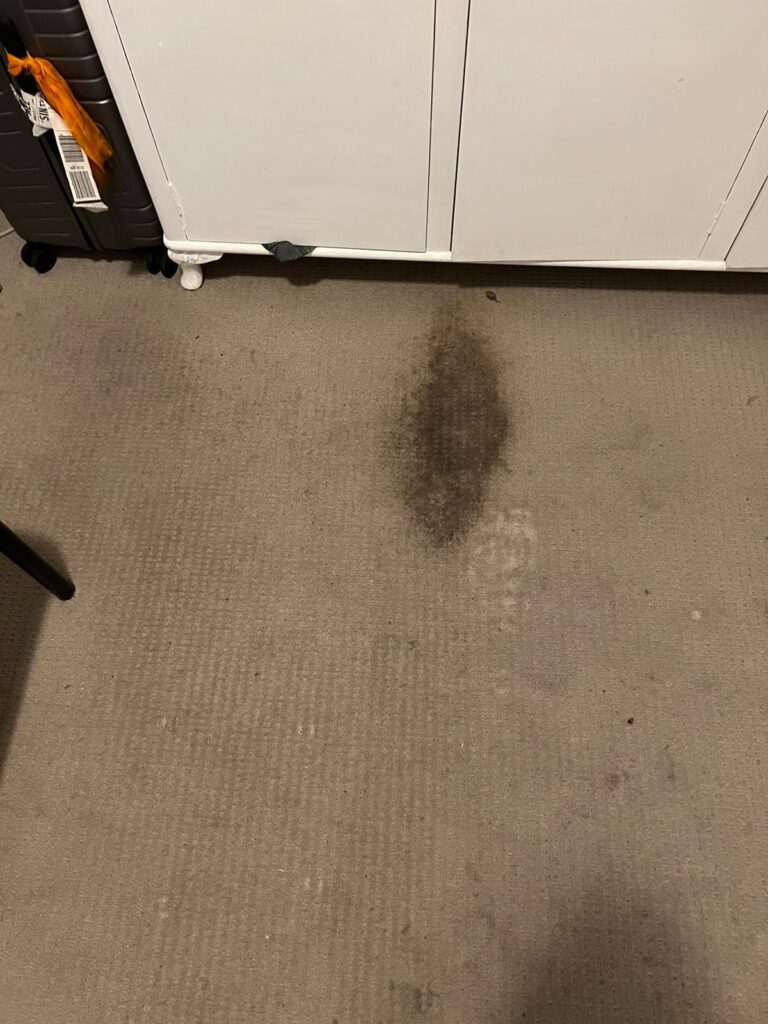
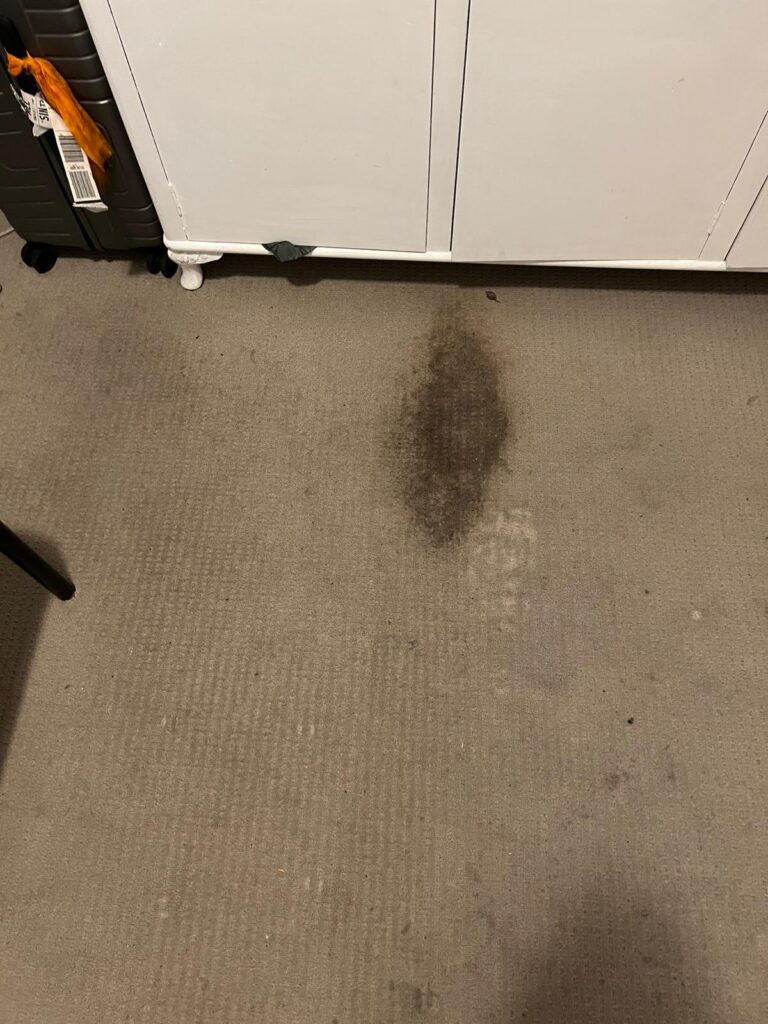
Urine is a liquid, so it goes where gravity takes it. A single accident from a medium-sized dog can soak through the pile, the backing and into the underlay, spreading wider underneath than the stain you see on top. Once there, a few things happen:
- It dries into salts and residues that hold the odour. When humidity rises, they absorb moisture and the smell comes back. That’s why it’s often worse on wet Melbourne days.
- Bacteria break it down over time, producing the sharp ammonia-like smell of old urine.
- Pets return to the same spot because they can still smell it, even when you can’t. Repeated accidents build up in layers.
- Surface cleaning can spread it. Adding water without strong extraction can push urine further into the underlay and reactivate the smell.
Why don’t household products get rid of the smell?
Most sprays treat the top of the carpet, while the source is underneath. Fragranced products mask the smell for a day or two. Others leave a residue that attracts dirt, so a grey patch appears where the accident was. Our article on why carpet stains come back after cleaning explains the role of wicking and residue.
Some home remedies are also risky. Ammonia-based cleaners can smell similar to urine to a pet and encourage repeat marking. Steam irons and very hot water can set the stain and the odour.
How do professionals remove pet urine odour?
At FreshBreeze, a urine job follows our usual inspect, treat and dry process, with extra steps for odour.
- Find the full extent. We check the visible stain and the wider area around it, because urine spreads further below the surface. You can help by pointing out every spot you know about.
- Assess the underlay. If the underlay is badly soaked, we tell you before starting, so you can decide whether to replace that section.
- Apply an enzyme treatment. Enzymes break down the source of the odour rather than covering it, and the treatment is given time to work.
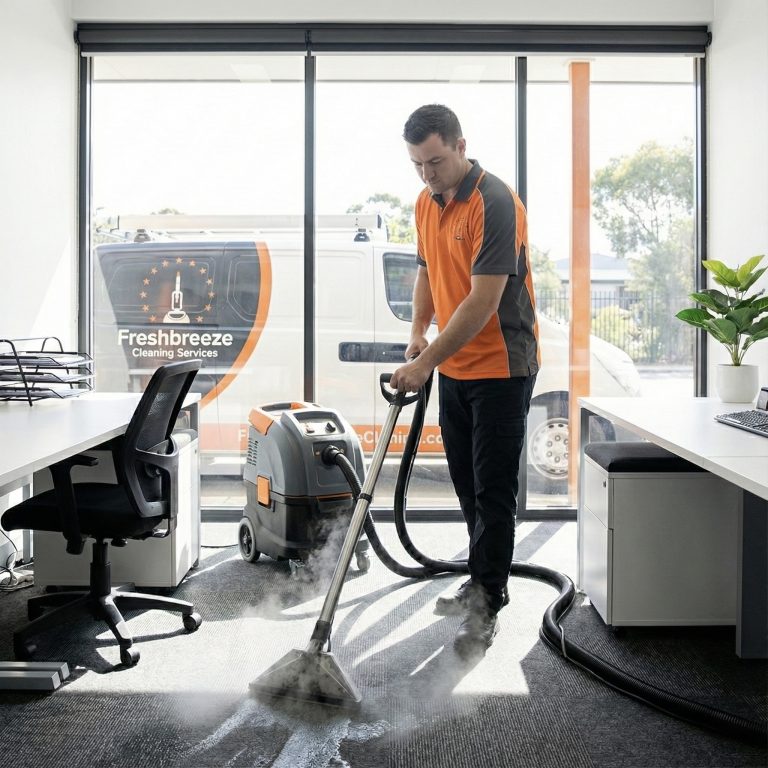
- Hot-water extraction. The area is rinsed and extracted to remove the broken-down residue and any surface stain.
- Deodorise and speed-dry with air movers, which limits the moisture available to reactivate anything left behind.
When does underlay need replacing?
Honesty matters here. If urine has soaked into the underlay repeatedly over months or years, treatment from the top may reduce the smell considerably but not eliminate it. Underlay is a foam pad that holds liquid like a sponge. In those cases the most reliable fix is to lift the carpet, replace that section of underlay, treat the subfloor if needed, then relay and clean the carpet.
| Situation | Likely outcome |
|---|---|
| One recent accident, blotted quickly | Usually resolved with spot treatment and extraction |
| Several accidents in the same spot | Enzyme treatment usually needed; often good results |
| Long-term marking in one corner | Underlay may be saturated; replacement often recommended |
| Whole room affected over years | Underlay replacement likely; carpet may also be affected |
| Mark is pale or orange after drying | Urine has altered the dye; smell can be fixed but colour may stay |
Where pets have chewed, scratched or permanently stained a section, our carpet repair service offers patch repairs for pet damage, and we’ll talk you through the underlay options at the inspection.
What should you do straight after an accident?
- Blot up as much as you can with paper towel or a white cloth, pressing firmly. Don’t rub.
- Rinse with a little cold water and blot again.
- Lay a thick folded towel over the spot with something heavy on top for a few hours to draw out moisture from below.
- Skip fragranced and ammonia-based sprays. If you use a pet enzyme product, follow the label and spot test first.
- Keep the pet away from that spot until it’s properly treated.
For other pet messes, see our guide to dog vomit on carpet.
Pro tip: if you can’t find where the smell is coming from, turn the lights off and use an inexpensive UV torch. Dried urine often shows up as a glow on the carpet, so you can mark each spot with a sticky note before the cleaners arrive.
Has urine got into the couch or mattress too?
Pets that have accidents on carpet often do the same on furniture and beds. Couch cushions and mattresses hold urine in foam the same way underlay does. Our couch cleaning includes pet urine treatment, with a fabric test first, and our guide to pet urine on a couch explains what’s possible. Bundling carpet and upholstery in one visit can attract a discount.
One more note: frequent accidents in a previously house-trained pet can have a health cause, so it’s worth mentioning to your vet.
Getting pet urine odour treated in Melbourne
FreshBreeze’s carpet steam cleaning includes spot and stain treatment, deodorising and sanitising, with enzyme urine treatment for pet accidents. We’ll tell you honestly before we start if underlay replacement is likely to be needed. Our products are eco-friendly and safe for kids and pets, and the work is covered by our free re-clean guarantee.
Carpet is priced per room with a fixed quote confirmed before work starts. We work across Melbourne, including Balaclava. Text a photo of the affected area and your suburb to 0485 522 533 or call (03) 7067 9244, or send us a message.