Quick answer: Most grey traffic lanes are oily soil bonded to the carpet fibres, and they can usually be cleaned out with a traffic-lane pre-spray, agitation and hot-water extraction. What can’t be cleaned out is physical wear: fibres that have been crushed, frayed or untwisted by years of foot traffic. A technician can usually tell you which one you have at the inspection, before any work starts.
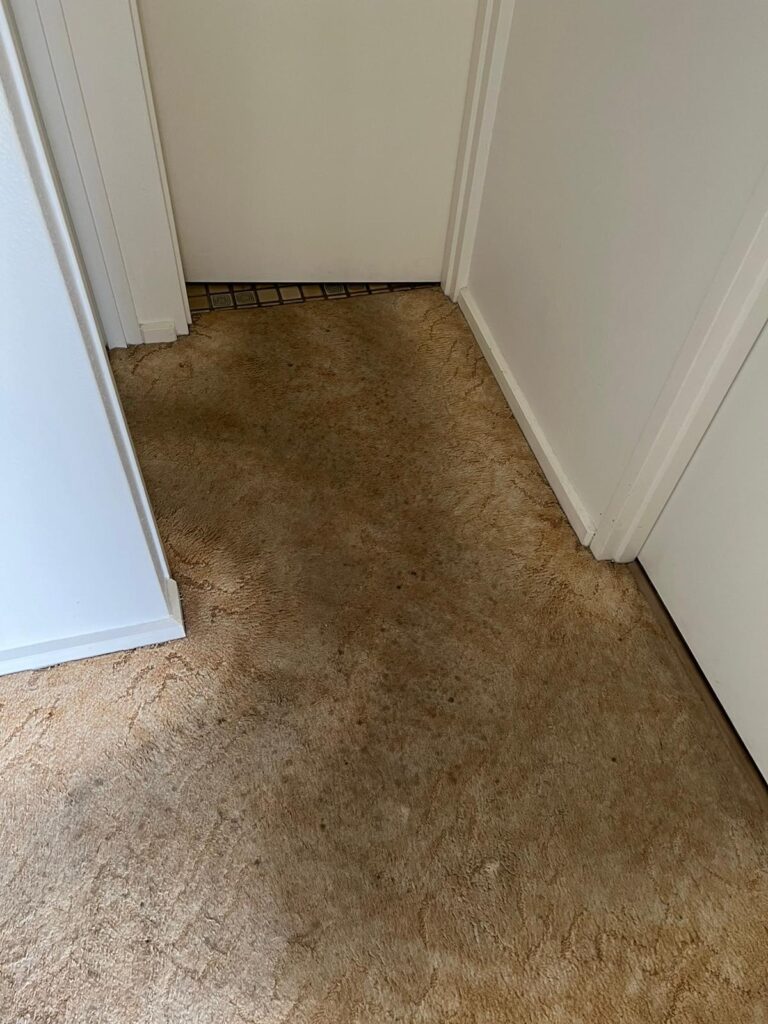
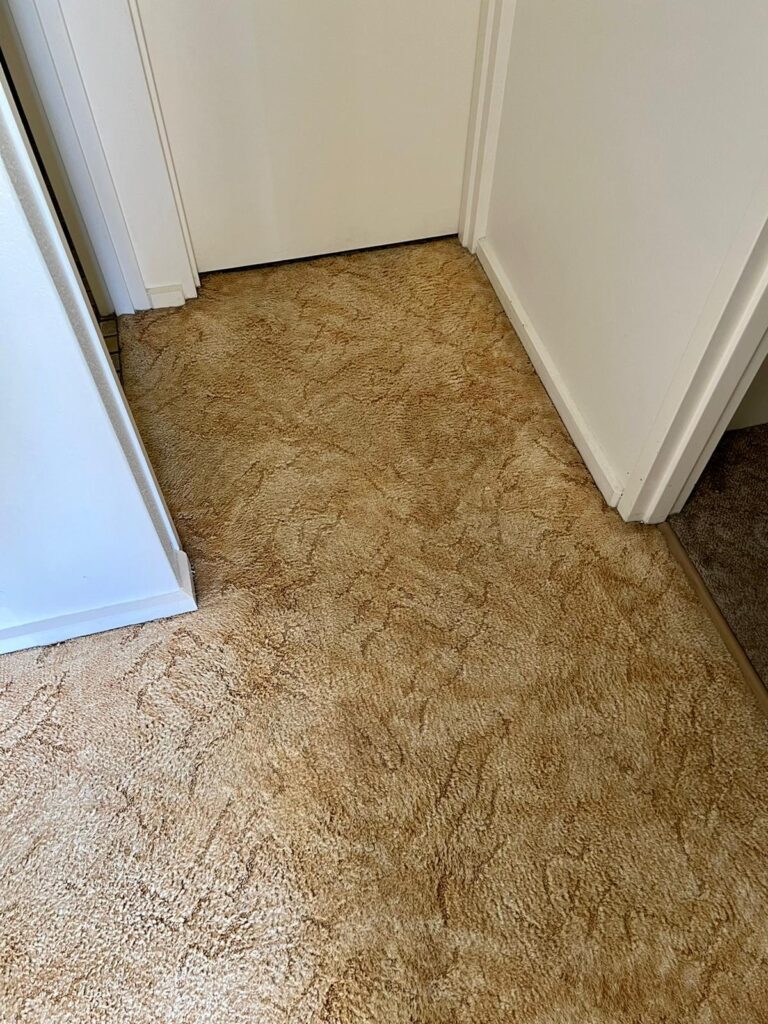
Traffic lanes are those grey or darkened paths that run from the front door down the hallway, through doorways and in front of the couch. They are one of the most common reasons people book carpet steam cleaning in Melbourne, and also one of the most misunderstood. Some people assume the carpet is ruined; others expect a clean to make a fifteen-year-old hallway look new. The truth usually sits in between.
What causes grey traffic lanes in carpet?
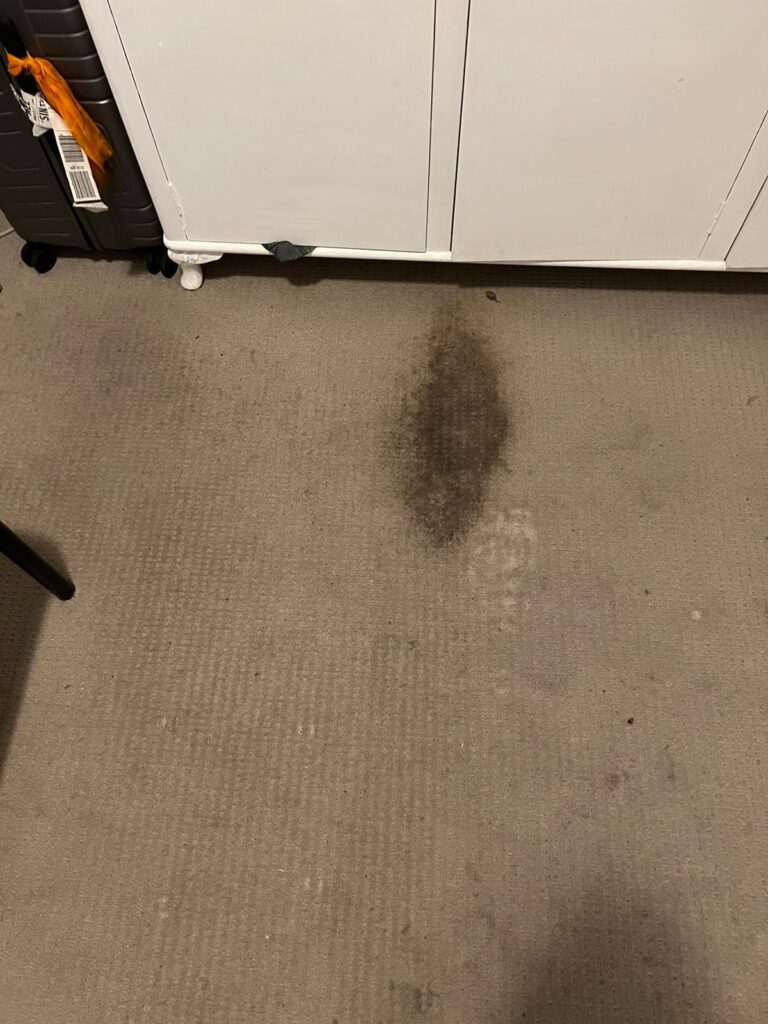
Every step carries in a little grit and a little oil. The oil comes from skin, cooking residue tracked from the kitchen, road grime on shoes and the film left by shop-bought spot cleaners. It coats the fibres and acts like glue for fine soil. Vacuuming picks up loose dirt, but the sticky layer stays, and over months it turns light carpet grey.
At the same time, gritty particles work down into the pile. Underfoot they rub against the fibres like fine sandpaper, scratching the surface so it scatters light differently. That scratching is why worn lanes can look dull even when they are clean.
Melbourne homes often see traffic lanes worsen over winter, when wet shoes, muddy paths and closed-up rooms combine, and heaters circulate dust that settles on the floor.
Is it soil or permanent wear? How to tell
Before booking, it helps to have a rough idea of what you’re dealing with. Look closely at the lane in good light and compare it with carpet under a couch or along a wall.
| What you see | Likely cause | Cleans out? |
|---|---|---|
| Grey or brown film, fibres intact and upright | Oily soil | Usually yes |
| Darker patch that feels slightly sticky | Residue from spot cleaners plus soil | Usually yes |
| Flattened pile that springs up a little when brushed | Matting from traffic | Often improves |
| Fuzzy, frayed or untwisted fibre tips | Physical wear | Cleaner, but the texture stays |
| Thin pile where you can see backing | Advanced wear | No, needs repair or replacement |
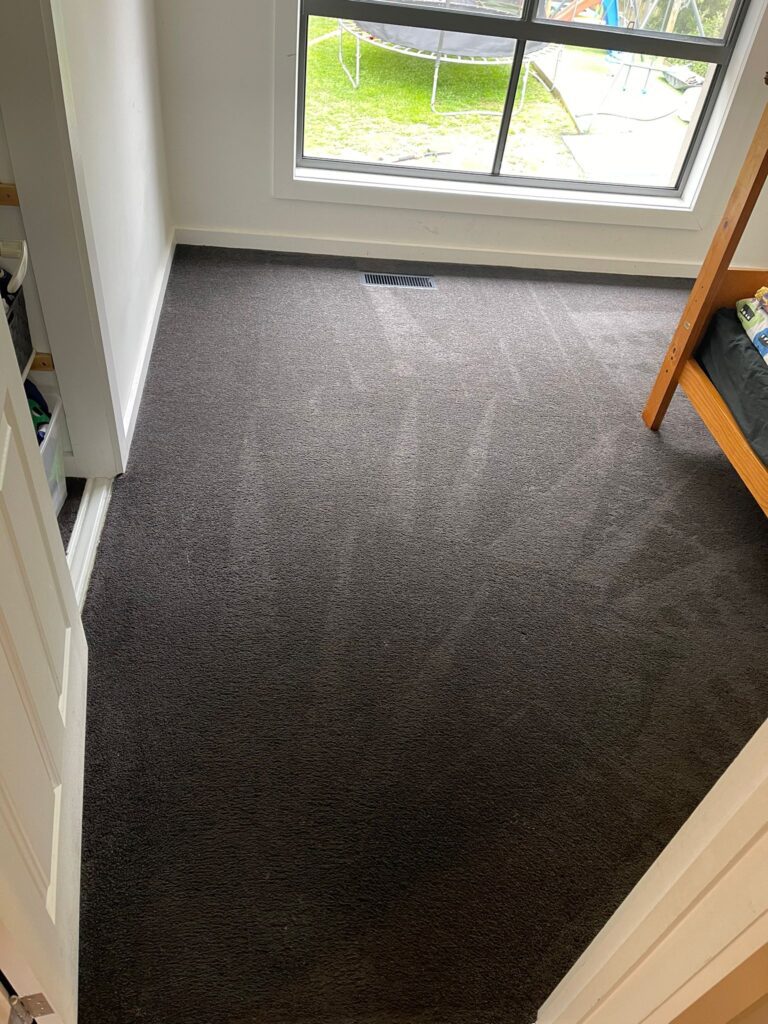
Many hallways have a mix. The soil comes out and the carpet looks dramatically better, but a slight difference in sheen remains where the fibres have been worn.
How do professionals remove traffic lanes?
A generic once-over with a hire machine rarely shifts established traffic lanes, because water alone doesn’t break down the oily film. The professional process is built around that film.
- Inspect and test. We check the fibre type, the backing and how the carpet responds, so the right pre-spray is used.
- Pre-vacuum. Removing dry grit first means less mud in the carpet once it gets wet.
- Traffic-lane pre-spray. A cleaning solution is applied to the lanes and given time to break down the oils.
- Agitation. Working the solution through the pile loosens the soil from every side of the fibre.
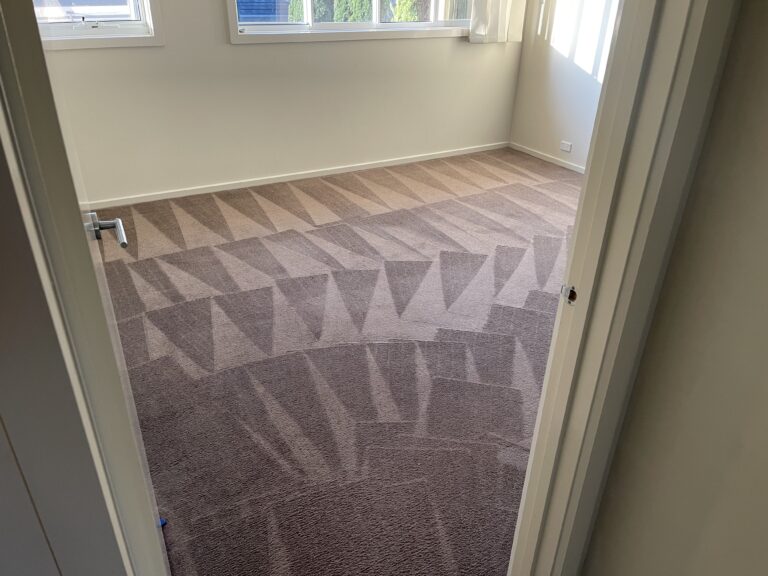
- Hot-water extraction rinse. The wand flushes the loosened soil and the pre-spray out and pulls them back into the machine, leaving minimal residue to attract new dirt.
- Speed-drying. Air movers bring the drying time down so the area can be walked on sooner.
If you’ve already tried a hire machine, our honest comparison of hire machine vs professional carpet cleaning explains why the results differ so much.
What if the lanes come back after cleaning?
Lanes that reappear within days or weeks usually point to one of two things. Either residue was left behind, often from a previous clean or from spot sprays, and it is attracting fresh soil quickly. Or soil deep in the backing and underlay is wicking back up to the surface as the carpet dries. Our article on why carpet stains come back after cleaning covers wicking in detail.
A thorough rinse and good airflow during drying reduce both risks. If marks return after a FreshBreeze clean, tell us: the free re-clean guarantee covers it.
Can worn traffic lanes be fixed?
Cleaning can’t rebuild worn fibres. If the pile is thin or the backing is showing, the options are repair or replacement. In a doorway or along a hallway, a carpet repair such as a patch or seam repair can sometimes replace a damaged section with an offcut. Rippled or loose carpet in a hallway also tends to wear faster, because the ridges take the brunt of every step; power restretching can flatten it out and slow further wear.
We’ll always tell you at the inspection if we think the marks are wear rather than soil, so you know what to expect before you pay.
How do you stop traffic lanes forming again?
- Put mats at both sides of external doors. A coarse outdoor mat and an absorbent indoor mat catch most grit.
- Vacuum lanes more often than the rest of the room. Twice a week in hallways, going slowly in both directions.
- Take shoes off at the door, or at least keep outdoor shoes off light carpet.
- Avoid soapy spot sprays. Residue left in the carpet is a magnet for soil.
- Book cleans before the lanes are obvious. Once soil sits for years it does more damage to the fibres. Our guide to how often to professionally clean carpets suggests realistic intervals.
Pro tip: if you have a hallway runner or rug over part of a traffic lane, lift it and look underneath before your clean. Grit often collects under rugs and wears the carpet beneath. A rug cleaning at the same visit sorts out both.
Getting traffic lanes cleaned in Melbourne
FreshBreeze’s professional carpet steam cleaning includes the traffic-lane pre-spray, spot treatment, hot-water extraction rinse, deodorising and speed-drying as standard, with light furniture moved and replaced. We inspect first, tell you honestly what will and won’t come out, and finish with a walk-through. Pricing is per room with a fixed quote confirmed before we start, and our eco-friendly products are safe for kids and pets.
We work across Melbourne, including Caulfield and the surrounding suburbs. For a quote, text a photo of your hallway and your suburb to 0485 522 533 or call (03) 7067 9244, or contact us online.