Quick answer: Grout sealing is usually worth it straight after a professional deep clean, especially on kitchen, laundry and entry floors with light-coloured cement grout. Sealer slows down how fast spills and soil soak into the grout, so floors stay cleaner for longer and are easier to wipe. It does not make grout waterproof or stain-proof, and it wears with traffic and cleaning, so it needs reapplying over time. It is less useful on epoxy grout or grout that is cracked and needs replacing.
Grout sealing is often offered as an add-on to professional tile and grout cleaning in Melbourne, and it is fair to ask whether it is worth the extra step. The honest answer depends on the type of grout you have, where the tiles are and how the floor is used. Here is how to decide.
What does grout sealer actually do?
Most household grout is cement-based and porous. It absorbs water, oils and dissolved soil, which is why it darkens over time even when the tiles look clean. A penetrating grout sealer soaks into the grout and fills its pores, so liquids sit on the surface longer instead of being drawn straight in.
That buys you time. A splash of coffee or cooking oil on sealed grout can usually be wiped up before it stains. Mop water carries less soil into the lines. The grout still gets dirty eventually, but more slowly and more evenly.
What sealer does not do is just as important:
- It does not make grout fully waterproof or stop leaks behind tiles.
- It does not fix cracked, crumbling or missing grout.
- It does not remove existing stains; it locks in whatever is there when it is applied.
- It does not prevent mould in a poorly ventilated shower on its own.
What are the pros of sealing grout?
- Slower re-soiling: floors stay looking freshly cleaned for longer.
- Easier day-to-day cleaning: spills wipe up more easily before they set.
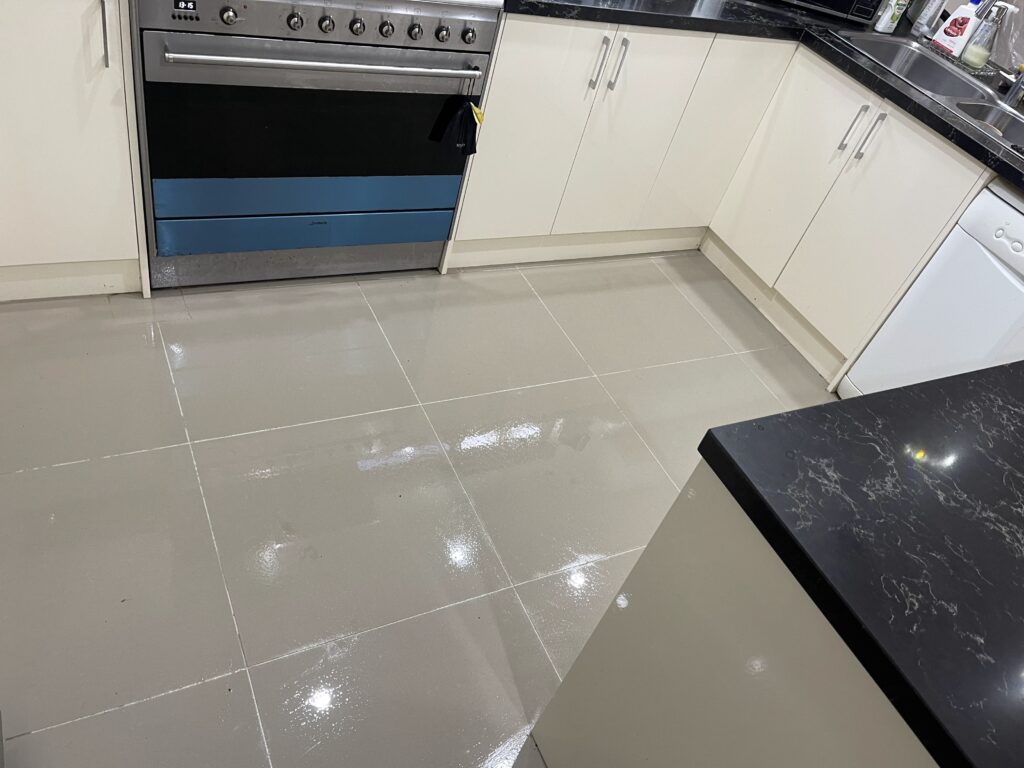
- Better stain resistance: useful in front of the stove, under the dining table and in laundries.
- More even colour: grout ages more uniformly instead of darkening in walkways.
- Protects your cleaning investment: sealing straight after a deep clean preserves the result.
What are the cons or limits of grout sealing?
- It wears off: foot traffic, mopping and harsh cleaners gradually break sealer down.
- It adds time and cost: sealing is an extra step on top of the clean, and the grout needs to be clean and dry first.
- It locks in stains: sealing dirty grout seals the dirt in, which is why it should follow a deep clean, not replace one.
- Not every grout needs it: epoxy grout is already highly stain-resistant and usually does not need a penetrating sealer.
- Drying time: the floor needs to be left alone for a period after application.
Where is grout sealing most worth it?
| Area | Worth sealing? | Why |
|---|---|---|
| Kitchen floor | Usually yes | Grease and food spills stain unsealed grout fastest |
| Laundry | Usually yes | Detergent, dirt and water collect in grout lines |
| Entry and hallway tiles | Often yes | Grit and outdoor soil are tracked in daily |
| Bathroom floor | Often yes | Helps with soap residue and splashes |
| Shower walls and floor | Sometimes | Helps, but ventilation matters more for mould |
| Epoxy grout | Usually not needed | Already non-porous |
| Cracked or missing grout | No | Repair or regrout first |
Light grey, white and cream grout benefit the most, because every bit of soil shows. Dark grout hides dirt better but still absorbs grease and can look patchy over time.
How long does grout sealer last?
There is no single answer, because it depends on the sealer, the grout and how the floor is used. A busy family kitchen will wear sealer faster than a guest bathroom. Cleaning products make a big difference too: strongly acidic or alkaline cleaners and bleach break down sealer far quicker than pH-neutral cleaners.
A simple test tells you when it is time to reseal. Drip a little water onto the grout in a busy spot. If it beads or sits on the surface for a while, the sealer is still working. If it darkens the grout and soaks in quickly, the sealer has worn and the floor will benefit from a clean and reseal.
Mop sealed floors with warm water and a pH-neutral cleaner, and wring the mop well. Avoid vinegar, bleach and heavy-duty bathroom sprays on sealed grout, as they shorten the life of the sealer.
Should you seal grout yourself or have it done professionally?
DIY sealer from a hardware store can work if the grout is properly clean and completely dry, and the sealer is applied only to the grout, with any residue wiped off the tiles before it sets. The most common DIY problem is sealing over grout that still holds dirt, which locks in the discolouration. Another is leaving a hazy film on glossy tiles.
A professional clean and seal handles both: the grout is deep cleaned with an alkaline pre-treatment and high-pressure rotary extraction first, then sealer is applied once it is ready. If your grout has never been professionally cleaned, read our tile and grout cleaning guide for what to expect from the clean itself.
What about mouldy shower grout?
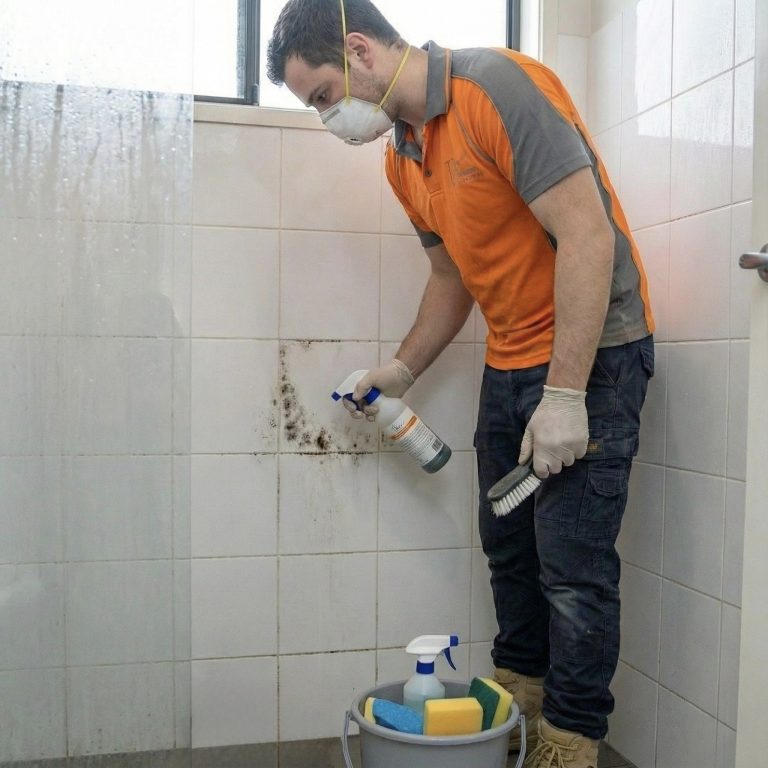
Sealing can help shower grout resist water and soap absorption, but it is not a cure for mould. Mould grows where moisture sits, so good ventilation, squeegeeing walls and running the exhaust fan matter more. If the mould has gone deep into the grout or the grout is breaking down, cleaning and sealing will not fully fix it. See black mould in shower grout: deep cleaning vs regrouting for how to tell which you need.
Getting grout cleaned and sealed in Melbourne
FreshBreeze offers optional grout sealing as part of its tile and grout cleaning service, applied after an alkaline pre-treatment and high-pressure rotary clean and extraction. Jobs are quoted per square metre with a fixed price confirmed before work starts, across Melbourne including Elsternwick and surrounding suburbs. You can add carpet steam cleaning on the same visit for a bundle discount.
For a quote on grout cleaning and sealing, see how pricing works on the pricing page, then text a photo of your floor to 0485 522 533 or call (03) 7067 9244.