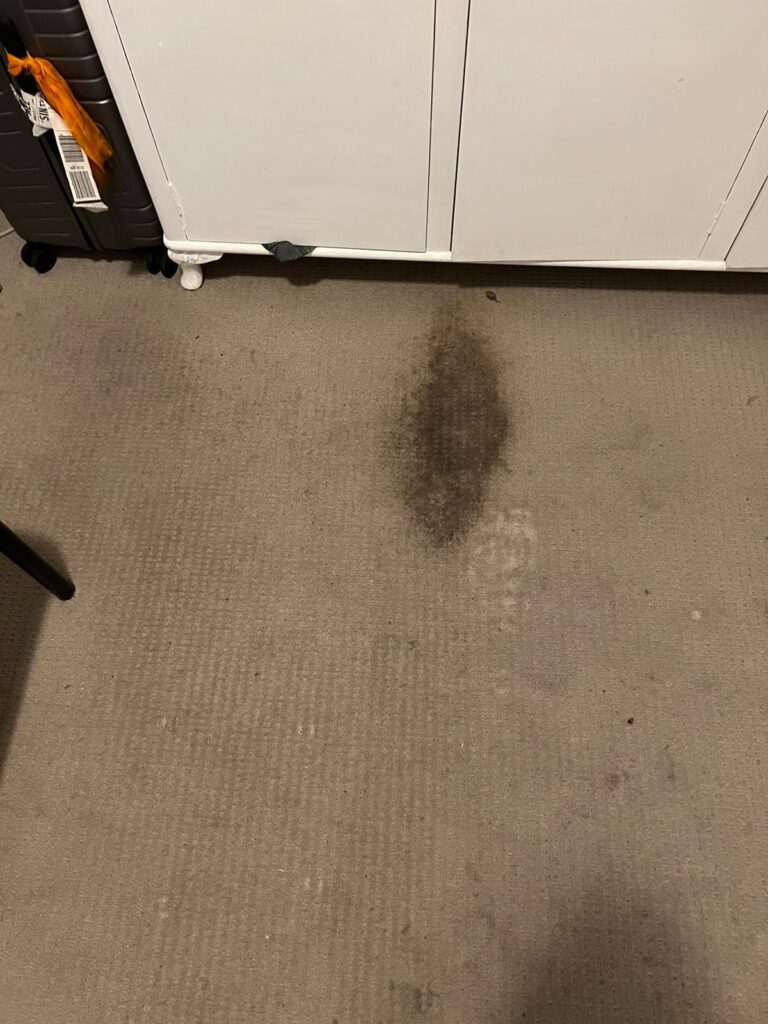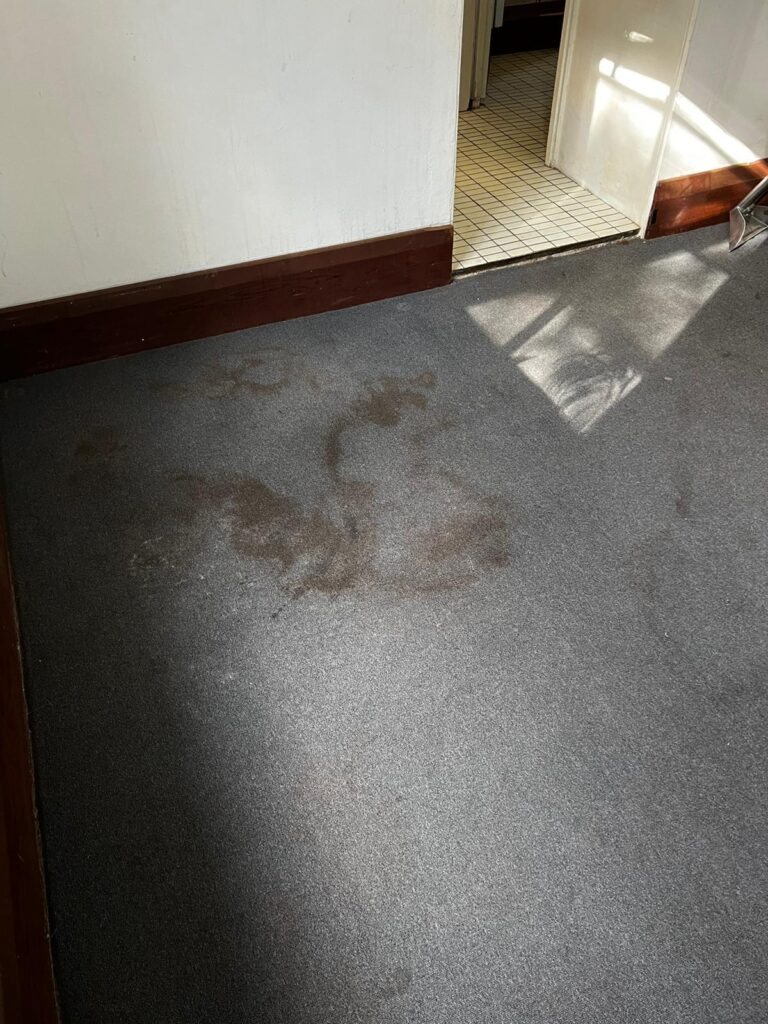
Quick answer: Blot red wine or coffee immediately with a white cloth, work from the outside in, then rinse with small amounts of cold water and keep blotting until no more colour transfers. Don’t rub, don’t use hot water, and avoid salt, bleach or coloured cleaners. If a mark remains once it’s dry, or the spill was large, book professional stain treatment before it sets or gets layered with household products.
Red wine and coffee are two of the most common spills we see on Melbourne carpets, and two of the most fixable when they are handled well in the first few minutes. Both are tannin-based stains, and both get much harder to remove once they dry, get heated, or get scrubbed into the pile. If the spill has already set, professional carpet stain removal in Melbourne gives you the best chance of a clean result.
What should you do in the first ten minutes?
- Blot, don’t rub. Press a clean white cloth or paper towel firmly onto the spill and lift. Repeat with fresh sections. Rubbing spreads the stain and frays the fibres.
- Work from the outside in. This stops the spill spreading into a larger ring.
- Rinse with cold water. Dampen, don’t soak, then blot. Repeat until the cloth comes away clean or nearly clean.
- Draw out deep moisture. Lay a thick folded white towel over the spot with something heavy on top and leave it for a few hours. This pulls liquid out of the backing and reduces the stain coming back as the carpet dries.
- Let it dry and check in daylight. Many spills look gone when wet and reappear faintly once dry.
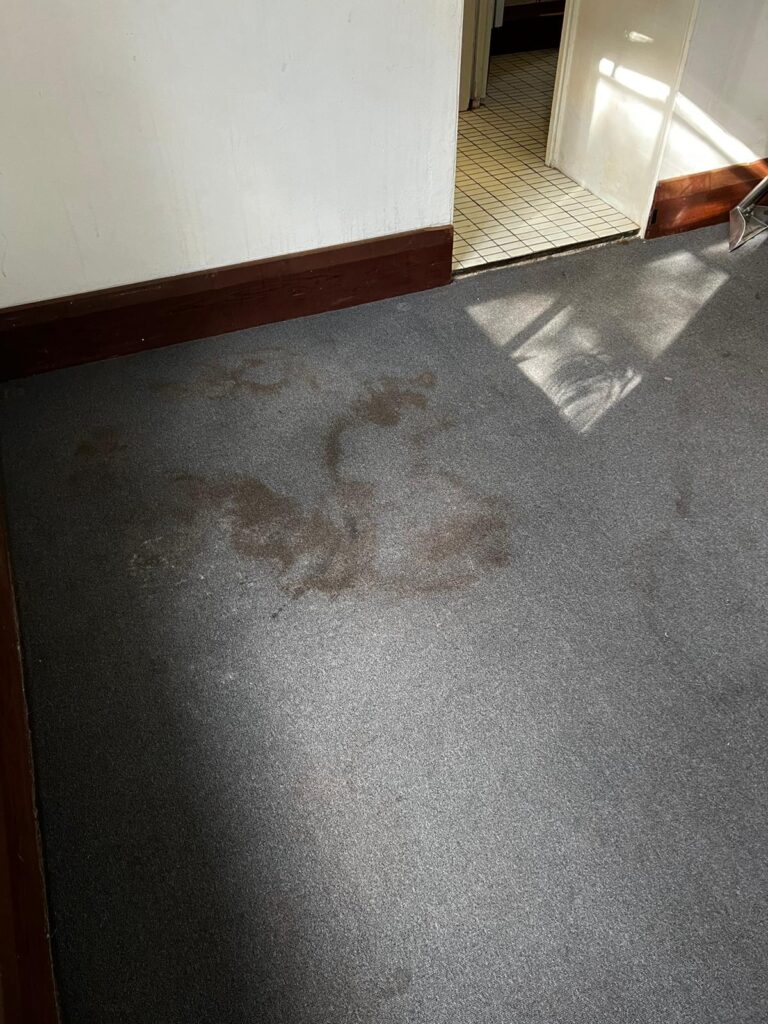
What should you avoid putting on wine or coffee stains?
A lot of internet advice makes these stains worse. Avoid:
- Hot water or a steam iron. Heat can set tannin stains into the fibres.
- Salt. It absorbs a little liquid, but it can leave grit and a ring and does nothing for the dye.
- Bleach or bleach-based products. On most carpet these remove colour permanently, leaving a pale patch that is worse than the stain.
- White wine poured over red. It just adds more liquid and sugar.
- Several products layered on top of each other. Mixing sprays can react badly, and the residue makes professional removal harder.
- Coloured cloths, which can transfer their own dye.
If you do try a carpet spot cleaner, test it first on a hidden area such as inside a wardrobe and follow the label. Wool carpet is especially sensitive to high-pH products; our wool carpet cleaning guide explains what’s safe.
Is coffee with milk harder to remove than black coffee?
Often, yes. Black coffee is mostly a tannin and colour stain. Milk and sugar add protein and stickiness. If the protein isn’t removed it can leave a soured smell and a sticky spot that attracts dirt. Cold water is particularly important with milky coffee, because heat can make the protein harder to lift.
Red wine has strong natural pigments and can dye nylon and wool carpets quickly. The sooner it’s blotted and rinsed, the less pigment bonds to the fibre.
What do professionals do differently?
A professional treatment isn’t just a stronger spray. It’s about choosing the right chemistry and getting the stain out of the full depth of the carpet.
| Step | DIY first aid | Professional treatment |
|---|---|---|
| Identify fibre | Usually unknown | Fibre and colour test before treating |
| Stain product | General spot spray | Treatment matched to tannin, protein or dye stains |
| Rinse | Cold water and blotting | Hot-water extraction through the pile |
| Residue | Often left behind | Rinsed out to stop re-soiling |
| Drying | Air dry | Air movers to reduce wicking |
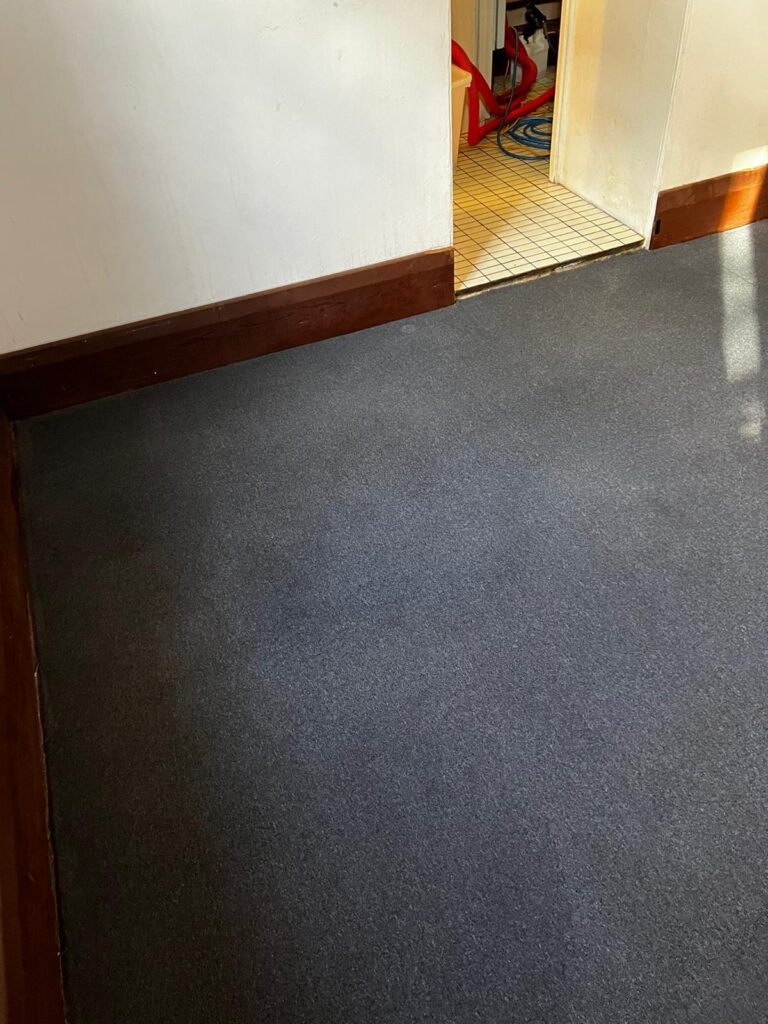
Once the stain itself is treated, we rinse the surrounding area too. Cleaning only a small spot can leave a noticeably cleaner patch on an otherwise dull carpet.
Can old or set-in wine and coffee stains still come out?
Many can be lightened considerably and some come out completely, even weeks later. Results depend on the fibre, how long the stain has been there, and what’s already been put on it. Stains that have been heated, treated with bleach, or covered in several layers of product are the hardest.
We won’t promise every mark disappears. If dye has bonded strongly to the fibre or the colour has been stripped by a cleaner, the area may stay slightly visible. In those cases a small patch repair can be a tidy solution, and we’ll talk you through it before doing anything. If a stain returns days after cleaning, it’s usually wicking; our article on why carpet stains come back explains why and what fixes it.
Pro tip: if the spill landed on the couch as well as the carpet, mention it when you text your photo. Fabric upholstery needs a different approach and a fabric test, and treating both at one visit with our couch cleaning service can qualify for a bundle discount.
When is it worth calling a professional?
- The spill was large, more than a cupful, and has soaked into the backing.
- A mark is still visible once the carpet is completely dry.
- The stain has come back after you cleaned it.
- You’re in a rental and want it dealt with before an inspection. Our end of lease carpet stains guide covers what to expect.
- The carpet is wool or a light colour and you’re worried about damaging it.
Getting wine and coffee stains removed in Melbourne
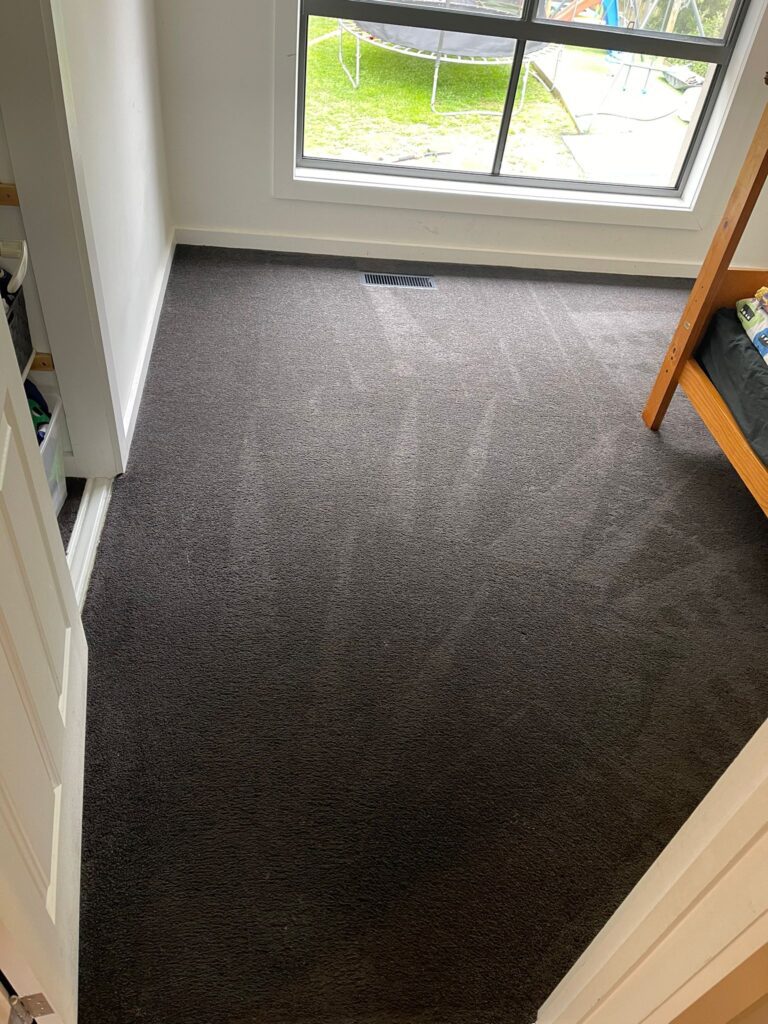
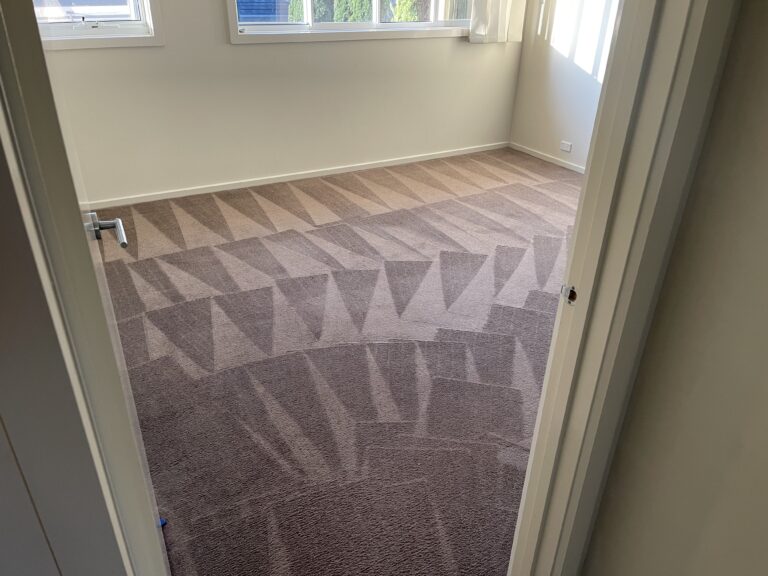
FreshBreeze’s carpet steam cleaning includes spot and stain treatment as standard, along with a pre-vacuum, traffic-lane pre-spray, hot-water extraction rinse, deodorising and speed-drying. We test first, tell you honestly what’s likely to come out, and finish with a walk-through. Our products are eco-friendly and safe for kids and pets, and the work is backed by our free re-clean guarantee.
Quotes are fixed before work starts and carpet is priced per room. We work across Melbourne, including South Yarra. Text a photo of the stain and your suburb to 0485 522 533 or call (03) 7067 9244, or get in touch online.