Quick answer: Water-damaged carpet can often be saved if the water was clean, it was extracted and dried quickly, and the carpet backing has not separated. Underlay is more often replaced than the carpet itself, because it holds water and is hard to dry fully. Carpet soaked by floodwater, storm water or sewage, or left wet long enough to grow mould or delaminate, usually needs replacing. A professional assessment is the reliable way to know.
Once the water has stopped, the big question is whether the carpet can be kept. Replacing carpet is disruptive and expensive, but keeping carpet that has not dried properly can leave you with odours, stains and mould. Here is how flood damage restoration in Melbourne decides whether carpet can be dried and kept or should be replaced.
What decides whether wet carpet can be saved?
There are five main factors. Each one on its own can tip the decision.
- The type of water: clean water from a supply pipe is very different from grey water or floodwater.
- How long it was wet: the longer water sits, the more damage it does and the more likely contamination becomes.
- The underlay: underlay holds water like a sponge and is often replaced even when the carpet is kept.
- The carpet construction: some carpets handle wetting better than others, and the backing can separate if left wet.
- Visible damage: mould, shrinkage, dye bleed and delamination are signs the carpet may not recover.
Does the type of water make a difference?
Yes, and it is often the deciding factor. Water damage is usually grouped into three broad types.
| Water type | Examples | Carpet usually | Underlay usually |
|---|---|---|---|
| Clean water | Burst supply pipe, tap left on, hot water service leak | Can often be dried and kept if dealt with promptly | May be dried; replaced if soaked for long |
| Grey water | Washing machine, dishwasher, overflowing bath with soap | Sometimes kept after cleaning and drying | Often replaced |
| Contaminated water | Floodwater, storm water, sewage, overflowing drains | Usually replaced | Replaced |
Floodwater and sewage can carry bacteria, chemicals and silt that cannot be reliably removed from carpet and underlay. In those cases, replacement is the safer choice, and you should avoid direct contact with the wet materials. Clean water can also become contaminated if left sitting for long periods, especially in warm conditions.
Why is the underlay replaced more often than the carpet?
Underlay sits between the carpet and the floor and absorbs a lot of water. Foam and rubber underlays can stay wet for a long time, trap odours and break down once saturated. Because it is cheaper than carpet and harder to dry, replacing soaked underlay is often the practical choice even when the carpet on top can be saved.
FreshBreeze will tell you before starting work if the underlay is too badly soaked to save. In many clean-water jobs, the carpet is lifted, the underlay is assessed, the floor is dried, and then the carpet is relaid over good or new underlay.
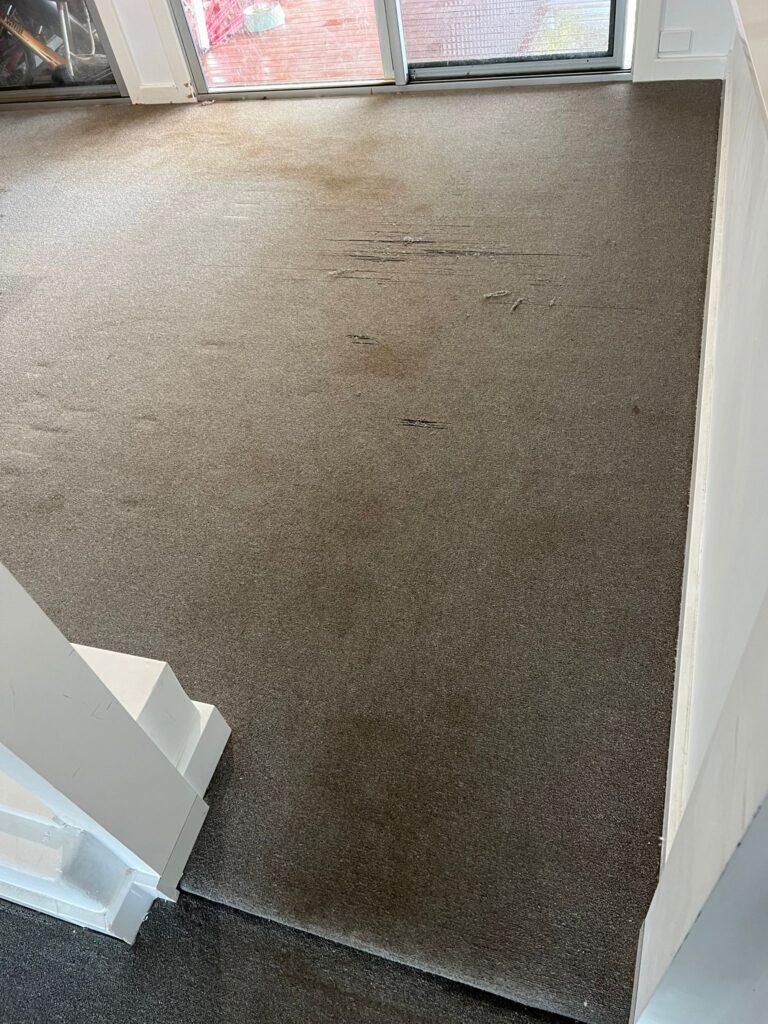
What are the signs that carpet needs replacing?
- Delamination: the backing has separated from the carpet, so it feels loose, bubbled or crinkly underfoot.
- Persistent odour: a musty or sewage smell that remains after drying.
- Visible mould: spots or growth on the back of the carpet or the underlay.
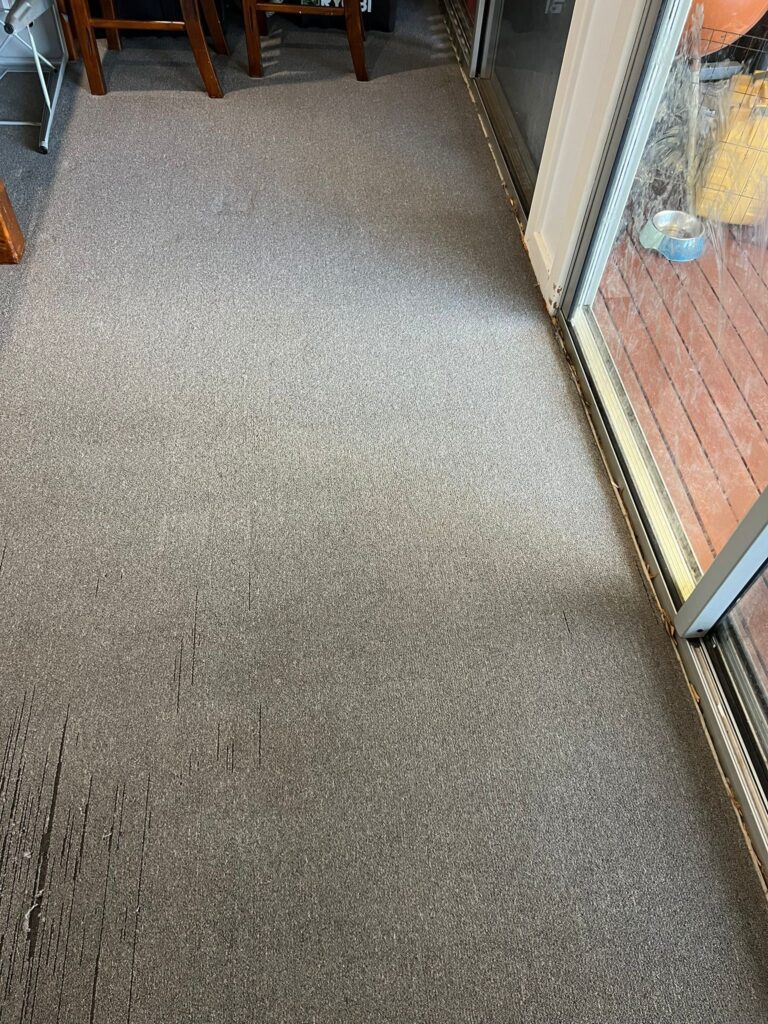
- Shrinkage: carpet that has pulled away from walls and cannot be restretched.
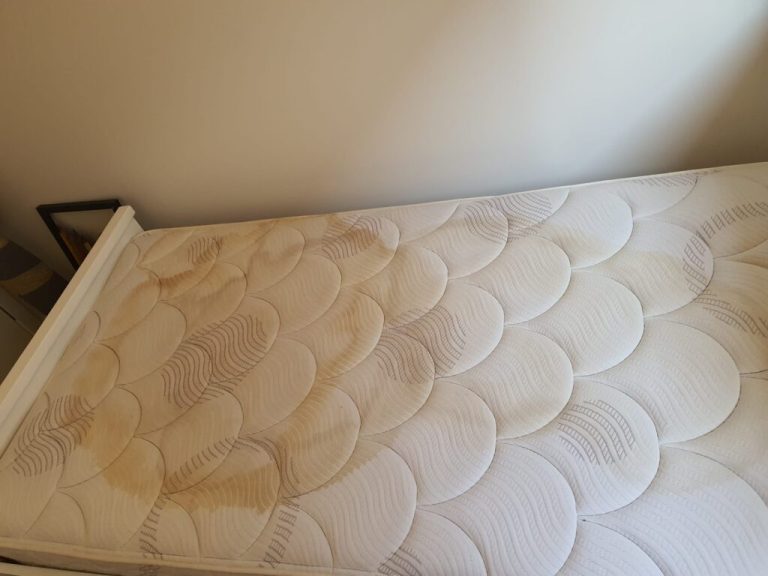
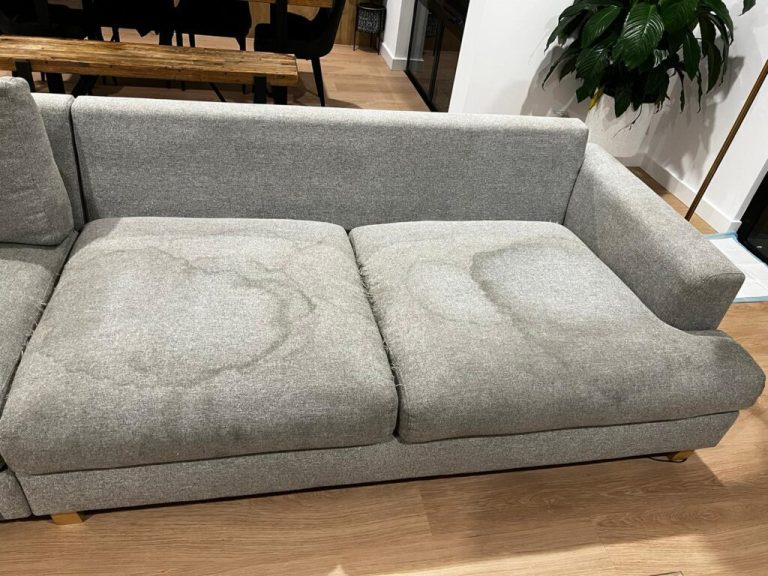
- Heavy dye bleed or brown staining: colour damage that has set as the carpet dried.
- Contaminated water: any carpet soaked by floodwater or sewage.
If you are unsure, do not relay or keep living on carpet that smells or looks damaged underneath. Ask for an assessment.
What does saving water-damaged carpet involve?
When carpet can be saved, the process usually looks like this:
- Water extraction to remove as much water as possible from the carpet and underlay.
- Lifting the carpet where needed, so the underlay and subfloor can be assessed and dried.
- Replacing badly soaked underlay where it cannot be dried properly.
- Drying with dehumidifiers and air movers, which can take several days depending on how wet the area is, the floor type and the weather.
- Relaying and restretching the carpet once everything is dry.
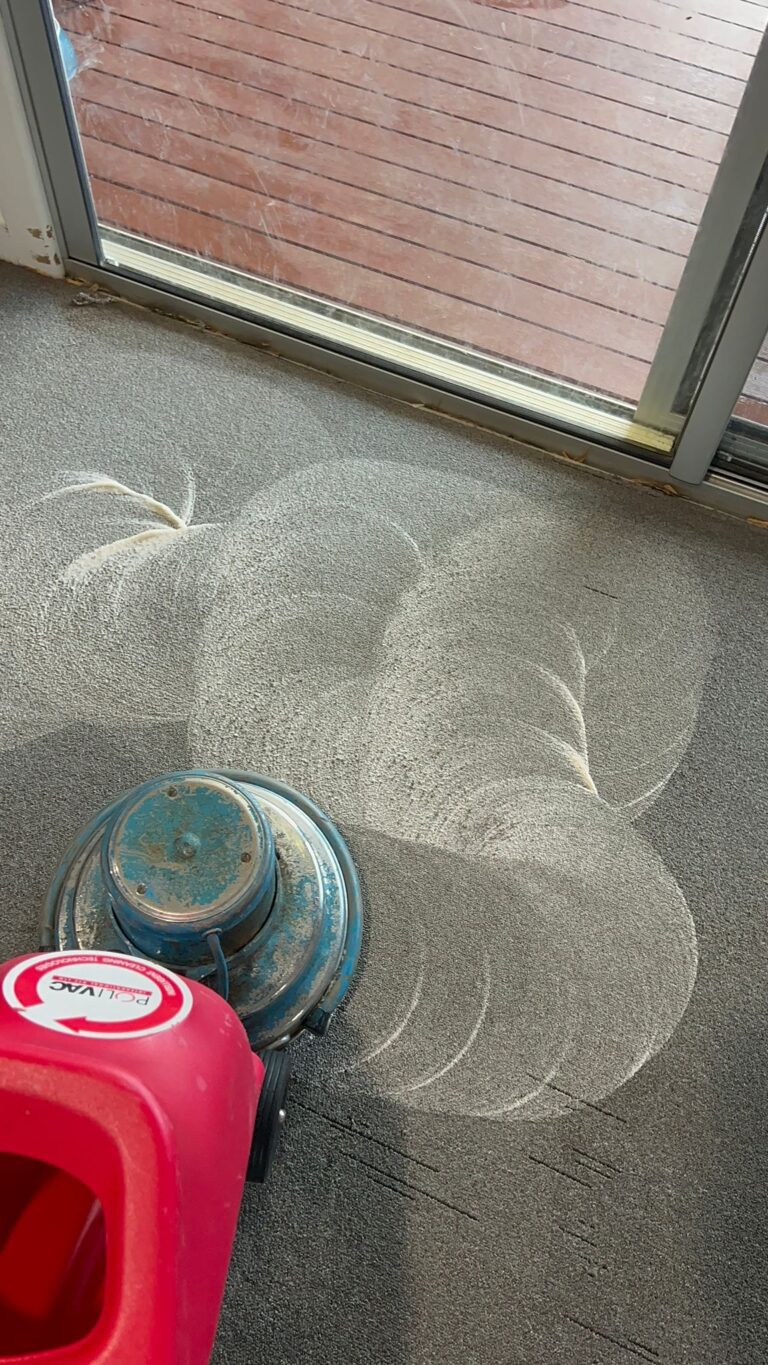
- Cleaning and deodorising to remove water marks, soil and odour.
Water often travels further than you can see. Check the carpet near skirting boards, under furniture and in the next room by pressing down with a dry paper towel. If it comes up damp, that area needs drying too.
Does insurance pay to dry or replace carpet?
That depends entirely on your policy and the cause of the water. Some policies treat sudden leaks differently from gradual leaks or flood, and some have specific rules about how damage is assessed. The best step is to contact your insurer early, take photos and video of the damage before anything is moved, and keep damaged items or samples until they say otherwise. Keep any invoices and reports from tradespeople, as your insurer may ask for them.
What happens if wet carpet is not dried properly?
Carpet that dries slowly or only on the surface often causes problems later. Common outcomes include a lingering musty smell, brown stains wicking up from the backing, mould under the carpet or on skirting boards, and carpet that ripples as the backing relaxes. Stains rising from below after drying behave in a similar way to the wicking described in why carpet stains come back after cleaning.
If you are dealing with a leak right now, start with our checklist for wet carpet in the first 24 hours. If your carpet has dried but now has ripples or bubbles, see rippled carpet and restretching.
Getting water-damaged carpet assessed in Melbourne
FreshBreeze provides 24/7 emergency flood response across Melbourne, including Hampton, Brighton and surrounding suburbs. Work includes water extraction, carpet and underlay lifting and drying, and dehumidifiers and air movers, followed by carpet restretching and repair and carpet steam cleaning once dry.
For water damage carpet restoration in Melbourne, call (03) 7067 9244 any time, or text photos of the wet area and your suburb to 0485 522 533. For non-urgent questions, contact us.